

Intestinal Blockage Surgery in Dogs and Cats: What to Expect, Treatment Options, and Costs
A pet who suddenly won’t eat, keeps vomiting, or seems uncomfortable without an obvious reason is concerning for any pet parent. But for many pet owners, intestinal blockages don’t feel real until they’re sitting in an exam room hearing the word “surgery.”
Intestinal blockages are one of the most common reasons dogs and cats require emergency abdominal surgery. Puppies, kittens, and breeds known for swallowing objects (like Labradors) are especially at risk. Once a blockage forms, time matters. Without treatment, circulation to the intestine can be compromised, tissue can die, and the condition can become life-threatening.
What Causes an Intestinal Blockage?
An intestinal blockage occurs when something prevents food, fluid, and gas from moving normally through the digestive tract. In pets, this is most often caused by swallowed foreign objects, including:
- Toys, balls, or fragments of chew items
- Socks, underwear, towels, or fabric
- Bones, corn cobs, or food packaging
- Hair ties, string, ribbon, or yarn (especially in cats)
Some objects pass on their own. Others become lodged in the stomach or intestines, creating a partial or complete obstruction that requires veterinary intervention.
How Intestinal Blockages Are Treated
Treatment depends on where the object is located, how long it’s been there, and whether the surrounding tissue has been damaged. In most cases, removal is required. There are two primary methods veterinarians use.
Endoscopic Removal
Endoscopy is sometimes an option when the object is still in the stomach or the very beginning of the small intestine and has not caused tissue damage.
During this procedure, your pet is placed under general anesthesia. A flexible tube with a camera is guided through the mouth and into the digestive tract. Using specialized instruments, the veterinarian attempts to grasp and remove the object without making an incision.
When successful, endoscopy offers several advantages:
- No abdominal surgery
- Shorter recovery time
- Often same-day discharge
- Lower overall cost compared to surgery
However, endoscopy isn’t always possible. Objects that are sharp, large, tangled, or lodged deeper in the intestines usually require a more invasive surgical removal.
Surgical Removal (Enterotomy or Resection)
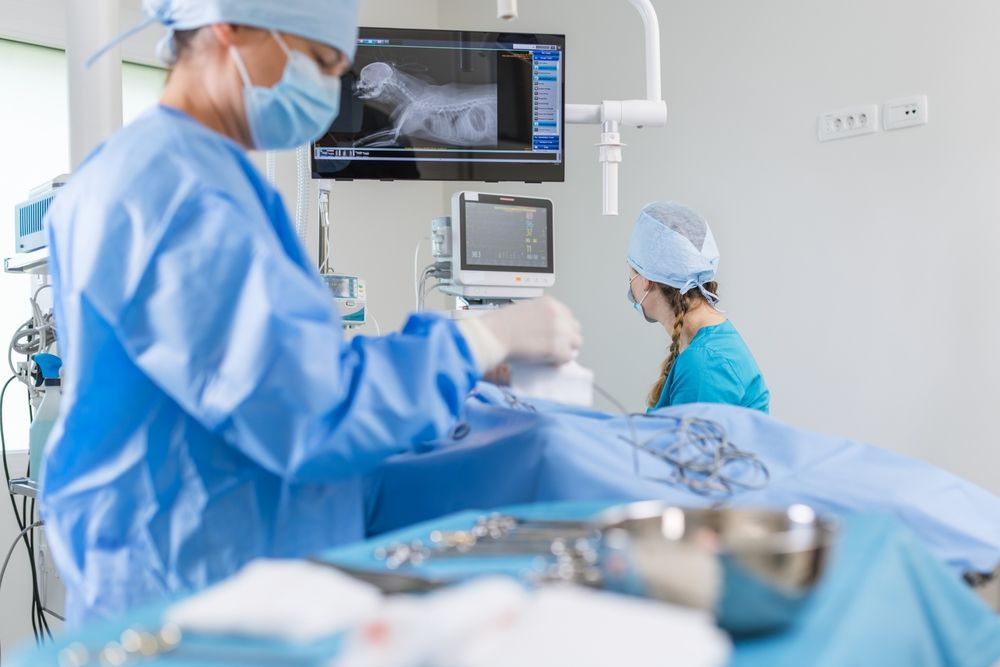
When an object cannot be retrieved endoscopically, surgery is necessary. This procedure is called an enterotomy.
Your pet is placed under general anesthesia, and the abdomen is opened so the veterinarian can examine the entire intestinal tract. Once the blockage is located, an incision is made in the intestine to remove the object.
If the blockage has compromised blood flow or damaged the intestinal wall, a more complex procedure may be required. This involves removing the affected section of intestine and reconnecting the healthy ends, a process known as resection and anastomosis.
Surgical cases typically require:
- Several days of hospitalization
- Pain management and IV fluids
- Careful monitoring for complications
- A longer recovery period at home
How Much Does Intestinal Blockage Surgery Cost?
Costs vary widely based on timing, location, and complexity. Emergency cases and those involving damaged intestinal tissue are more expensive than early, straightforward removals.
For dogs, the average cost of non-emergency intestinal foreign body surgery is approximately $4,300, with reported ranges from $3,400 to nearly $8,000. Factors that influence cost include:
- Size of the dog
- Length of hospitalization
- Anesthesia time
- Whether intestinal tissue needs to be removed
For cats, emergency foreign body surgery averages around $2,300, with typical ranges between $1,800 and $4,300. Costs are affected by:
- Clinic type and location
- Surgical complexity
- Postoperative care needs
These figures can be higher if complications arise or if intensive care is required.
Does Pet Insurance Cover Intestinal Blockages?
Many pet insurance policies cover intestinal blockage surgery, provided the condition is not considered pre-existing under your plan. Coverage often includes diagnostics, surgery, hospitalization, and medications.
In most cases, owners pay the veterinary clinic upfront and submit a claim for reimbursement. Coverage percentages, deductibles, and exclusions vary, so reviewing your policy or contacting your provider can help set expectations during an already stressful time.
What Happens Before Surgery?
Because intestinal blockages are frequently treated as emergencies, there’s usually no preparation required at home.
Once at the veterinary hospital, your pet may need stabilization before surgery, which can include:
- IV fluids to correct dehydration
- Pain medication
- Antibiotics if infection is suspected
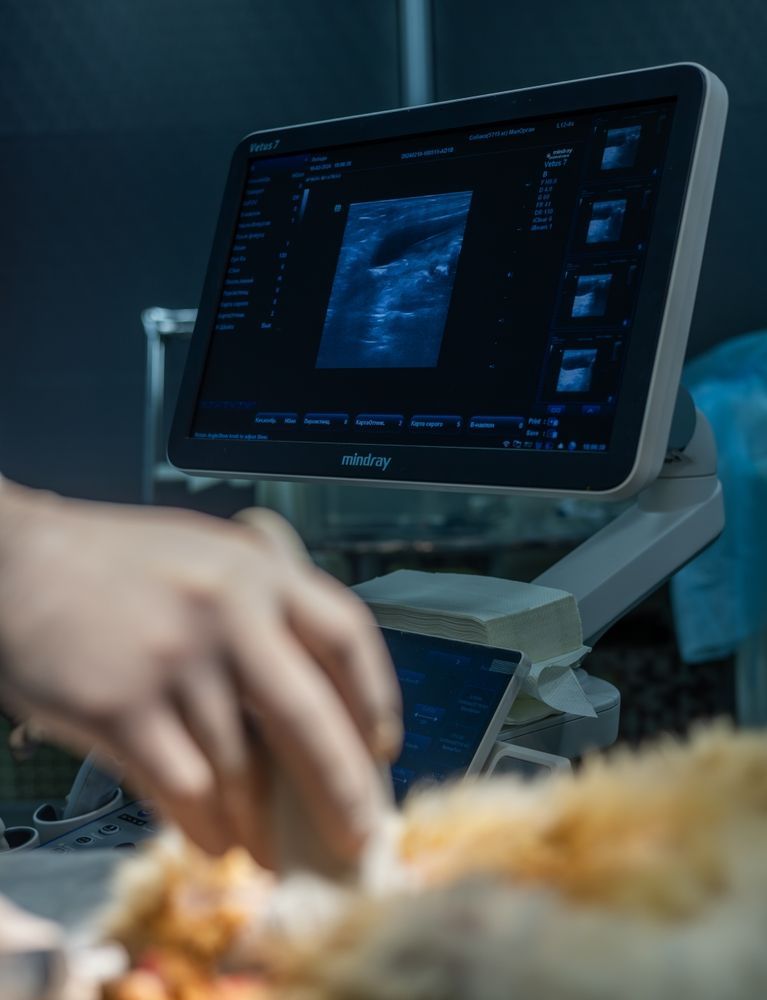
- Diagnostic imaging such as X-rays or ultrasound
Stabilization helps reduce surgical risk and supports a safer recovery.
Possible Complications to Be Aware Of
Most pets recover well, but intestinal surgery carries risks. Potential complications include:
- Leakage from the intestinal incision
- Infection within the abdominal cavity (peritonitis)
- Narrowing of the intestine at the surgical site
- Slowed intestinal movement during recovery
Leakage of intestinal contents is the most serious concern and may require additional surgery and extended hospitalization. While these complications are not common, they highlight why close postoperative monitoring is essential.
Endoscopic removal carries fewer risks since no incision is made, though complications can still occur depending on the object involved.
Recovery and Aftercare
Following treatment, pets are typically hospitalized for monitoring, IV fluids, and medication. Food is reintroduced gradually, starting with small amounts of a bland diet.
Once home, aftercare usually includes:
- Strict activity restrictions
- Controlled feeding schedules
- Pain and anti-inflammatory medications
- Follow-up visits for incision checks and suture removal
Recovery timelines vary. Pets treated with endoscopy may return to normal activity within days, while surgical patients often require several weeks of careful management.
Looking Ahead
An intestinal blockage is a difficult experience for both pets and their owners—emotionally, physically, and financially. While prevention isn’t always possible, early recognition and prompt treatment greatly improve outcomes. Most pets who receive timely care go on to recover fully and return to normal routines.
Knowing what to expect can reduce uncertainty and help you make informed decisions when time matters most.
Finding Trusted Veterinary Care
In urgent situations, access to reliable veterinary care makes all the difference. Better Buyer’s mission is to help pet owners find reputable veterinary clinics and pet service providers who prioritize clear communication, quality care, and consistent standards. If you’re facing an emergency or planning ahead, Better Buyer helps you
find trusted pet services near you, so you can focus on your pet, not the search.