

13 Signs Your Pet May Need Physical Therapy
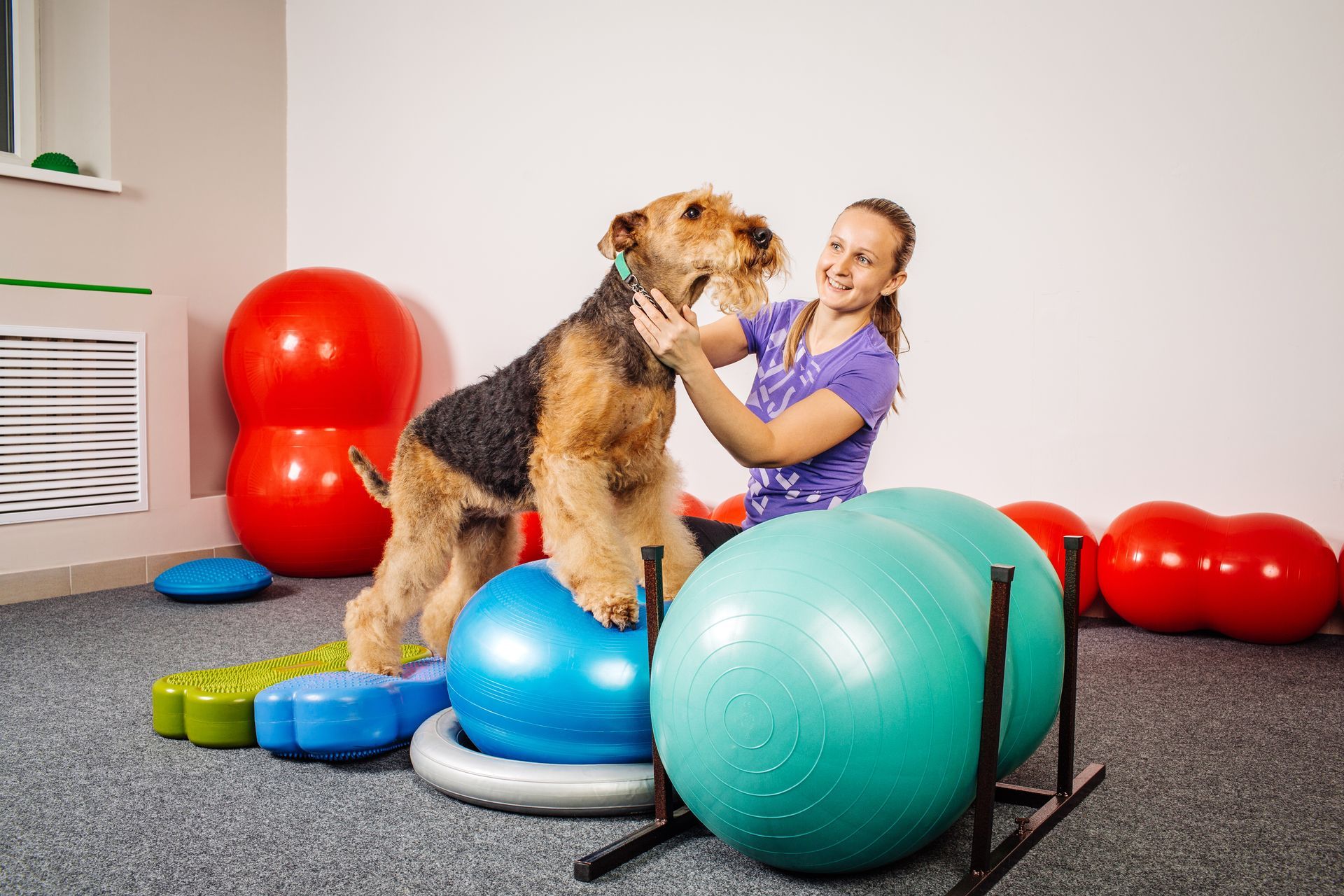
When most people hear “physical therapy,” they think of athletes or someone rehabbing after surgery, not their dog or cat. But our pets’ bodies go through many of the same challenges we do. Pain, stiffness, muscle weakness, and reduced mobility can quietly change how they move and how they feel each day.
What makes this tricky is that these changes often show up long before a diagnosis ever does. Maybe your dog takes a bit longer to get up from the floor. Maybe your cat hesitates before a jump they once made without thinking. These moments are easy to brush off because they do not look dramatic. They look like your pet simply adjusting.
The part many pet parents do not realize is that those adjustments add up. Over time, they can shape how your pet moves, rests, plays, and engages with the world. When you notice and address these changes early, you give your pet a real advantage. You can protect their mobility, support healing, and help them stay comfortable and confident as their body changes.
1. Avoiding Energetic Play They Once Loved
This is often the first quiet change pet owners notice. Your dog may no longer chase the ball, or your cat might stop jumping onto favorite perches. Because it happens gradually, it’s easy to dismiss...but reduced play is often the earliest indicator that movement has become uncomfortable.
2. Less Excited for or Struggling on Walks
Walks used to spark instant excitement. Now your pet lags behind, asks to turn back early, or seems reluctant to go at all. Sometimes pets start their beloved walks off strong but slow down quickly, while others hesitate before even leaving the house.
3. Sleeping More Than Usual
Extra sleep is sometimes a coping mechanism. When movement hurts, rest feels safer. So, oftentimes as play and movement decrease, rest often increases. While pets do sleep a lot naturally, a noticeable uptick (especially paired with reduced engagement) can point to discomfort or pain in your furry loved one.
4. Eating Less Than Usual
Pain can make parts of your pet's everyday routine difficult. Pets that struggle to stand comfortably, bend their necks, or balance while eating may begin eating less or skipping meals. A reduced appetite paired with mobility changes is a strong signal that something deeper may be going on.
5. Pacing, Panting, or Restlessness
Not all pain looks like limping. Some pets show discomfort through restlessness, like pacing the house, panting when it’s not hot, or having trouble settling down. These behaviors are often signs of chronic pain or inflammation and are commonly overlooked because they don’t “look” orthopedic at first glance.
6. Crying or Whimpering for No Apparent Reason
Vocalization is one of the more emotionally charged signals. Occasional whining may be dismissed as anxiety or attention-seeking, but unexplained crying, especially during movement, at night, or when getting up, can indicate pain.
7. Trouble Getting Up After Lying Down
At this point, the signs shift from behavioral to physical. If your pet struggles to rise, needs multiple attempts, or stiffly pushes up from the floor, joint or muscle weakness may be involved.
This is especially common with arthritis, hip dysplasia, and spinal conditions... but it’s not something pets simply have to “live with.”
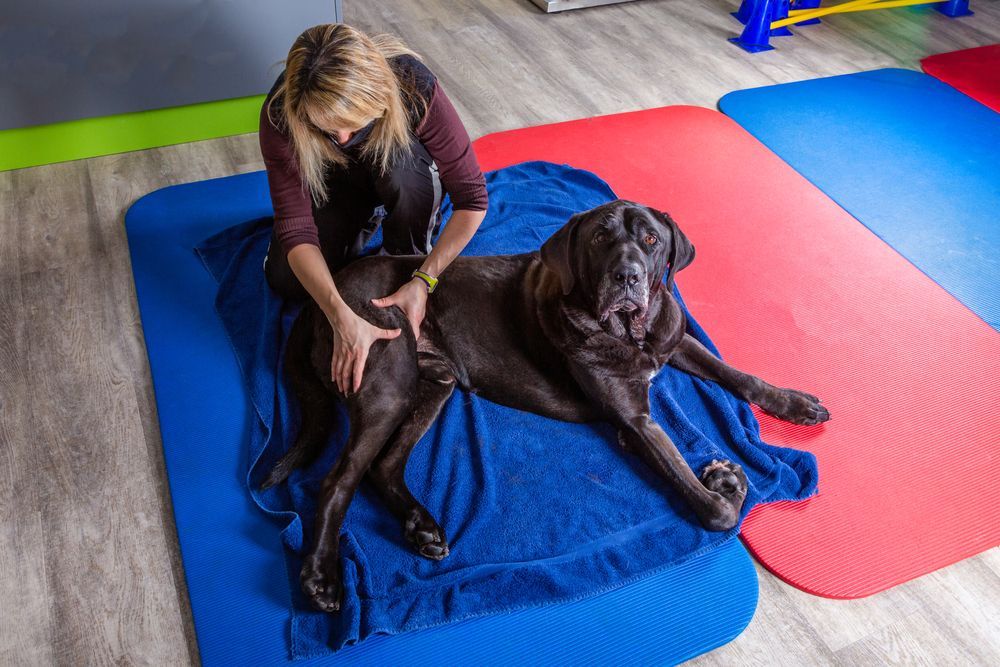
8. Hesitates or Struggles to Use the Stairs
Stairs amplify joint and spinal strain. Pets may pause at the bottom, take them slowly, skip steps, or stop using them altogether.
9. Trouble Getting Into the Car
This is one of the most relatable signs for many owners. A pet who once jumped effortlessly into the car may now hesitate, need help, or refuse entirely.
Jumping requires strength, flexibility, and coordination. Difficulty here often reflects broader mobility challenges that benefit greatly from targeted rehabilitation.
10. Taking Shorter Steps or Limping
By now, the mobility issue is visible. Limping, favoring one side, or taking shorter strides usually signals pain or compensation.
While medication may help manage symptoms, physical therapy addresses the root cause. PT can help with improving muscle balance, joint function, and overall movement quality.
11. Physical Impairment or Mobility Limitation
Some pets are already living with diagnosed conditions like arthritis, neurological disorders, ligament injuries, or age-related mobility loss. Others may rely on braces, wheelchairs, or hands-on assistance to get around.
If physical therapy is not yet part of your pet’s care plan, it may be worth exploring how it can help maintain strength, slow further decline, and support as much comfort and independence as possible for your pet.
12. Recovering From Surgery
Post-surgical physical therapy is one of the most common and effective uses of pet rehab. After procedures like ACL repair, spinal surgery, or orthopedic corrections, therapy helps restore range of motion, rebuild muscle, and reduce scar tissue.
13. Scheduled for an Upcoming Surgery
Physical therapy doesn’t have to wait until after surgery. Pre-surgical rehabilitation, or “prehab,” helps strengthen muscles, improve flexibility, and prepare the body for recovery. Pets who begin therapy before surgery often recover faster and more comfortably afterward
When to Take the Next Step

Our pets can't voice their pain the way we do... oftentimes they'll find ways to adapt their behaviors before you can even recognize a problem. And while adaptation is impressive, it often comes at the cost of comfort and long-term mobility.
If you recognize even a few of these signs, it may be time to talk with your veterinarian about physical therapy. Early intervention can reduce pain, slow the progression of mobility issues, and dramatically improve your pet’s quality of life.
Knowing that support exists is one thing. Finding a provider you can trust is another. Better Buyer was built to help savvy consumers like you navigate that gap. Part of our mission is to highlight service providers who demonstrate skill, care, and consistency, so you’re not left guessing which options are worth your time or your pet’s trust. If you’re exploring physical therapy or related services for your pet, Better Buyer can help you identify reputable providers near you and take the next step with clarity.